
One of the most common questions we get after patients ask us about CO2 or AVAVA laser therapies is: “But… Does laser treatment hurt?” The truth is: it depends on the type of laser, the treatment area, and individual sensitivity. That said, it’s generally not the sensation most people are expecting.
In fact, many patients compare the feeling of laser treatment to the sensation of being snapped with a rubber band. Plus, many modern systems, such as the innovative AVAVA laser, utilize advanced cooling technology to considerably reduce discomfort.
At Emerge Aesthetics, proudly serving clients throughout Bergen County, New Jersey, Dr. Kling believes in setting realistic expectations rather than making false promises. Knowing this, as a double-board-certified Emergency Medicine physician with years of performing advanced laser procedures, she carefully tailors each treatment to patients’ needs while taking steps to maximize comfort.
But the good news?
Most patients tolerate laser therapies extremely well and find that the temporary discomfort is worthwhile for the long-term skin improvements. To help reduce anxiety around skin rejuvenation, we’re explaining what laser treatment actually feels like, what affects discomfort, and how you can prepare for your appointment.
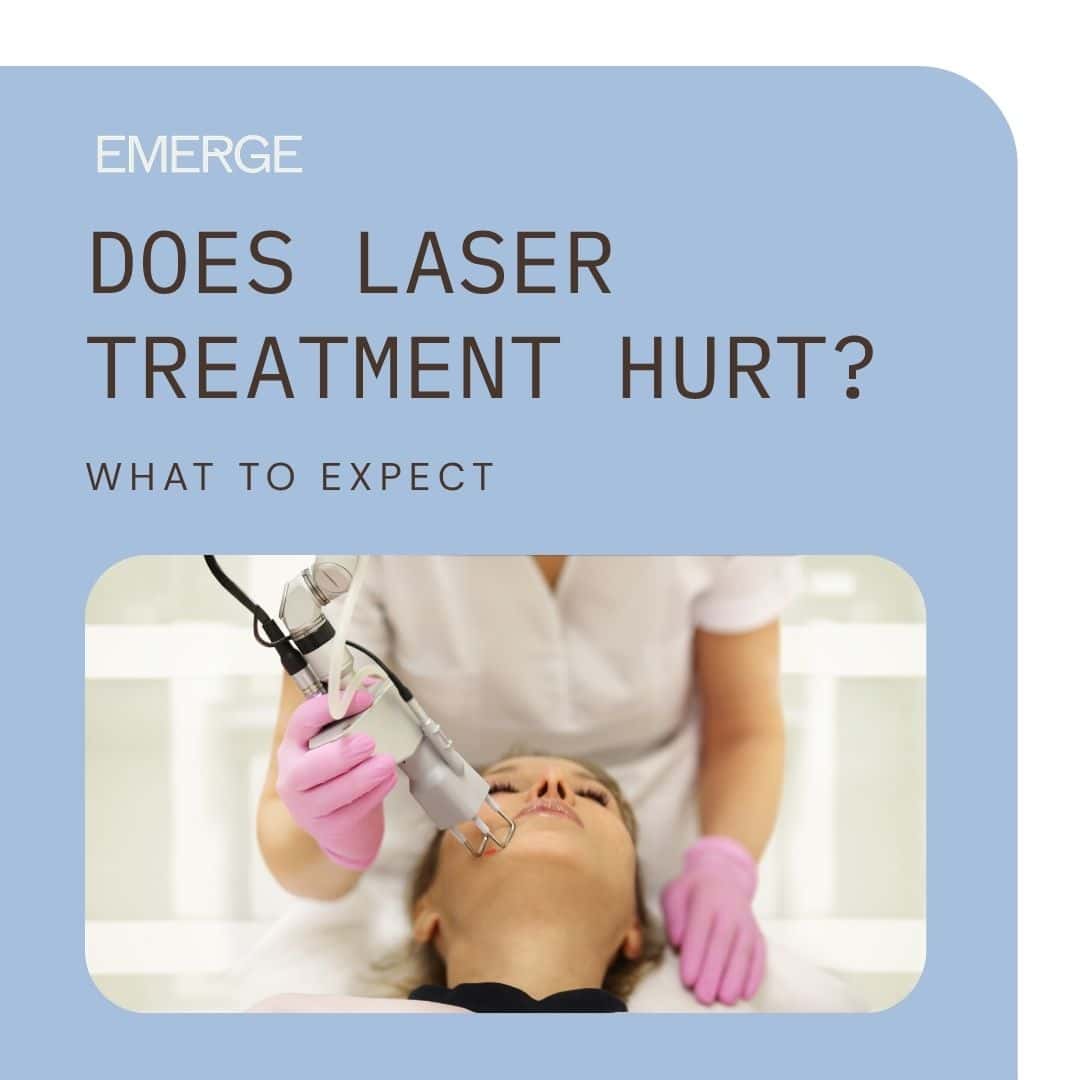
Does Laser Treatment Hurt? What to Expect
Laser treatment can cause some discomfort, but that level varies depending on numerous factors. More specifically, the type of laser, treatment area, patient’s pain tolerance, and treatment settings all play an important role in the overall experience.
As we mentioned above, many patients describe the sensation as brief rather than consistent. Instead of continuous pain throughout treatment, you may notice quick pulses of heat or brief snapping sensations. In reality, this is the result of the laser targeting areas on the skin.
It’s also important to note that areas with thinner skin or higher concentrations of nerve endings tend to feel more sensitive than other parts of the body. These include areas like the under-eyes, inner thighs, and neck and chest.
However, we’re not in the business of saying treatments are painless. Instead, we believe it’s more accurate to say that most procedures are highly manageable with the appropriate tools and techniques.
What Does Laser Treatment Feel Like?
Laser treatments can feel different depending on the patient, type of laser, and treatment area. However, this is a general description of how many patients explain the minimally invasive treatment to feel:
- A quick rubber band snap against the skin
- Brief warmth or bursts of heat
- Mild tingling or light prickling
- Slight tingling sensation
- Cooling from the device between laser pulses
- Temporary sensitivity in treated areas
Ultimately, the exact sensation depends on the type of laser being used. For example, laser hair removal often feels different from ablative skin resurfacing. And if you’re getting AVAVA laser therapy, clinical findings note that, thanks to the ComfortCool™ technology, patients report an average pain score of 3 out of 10.
We’ll dive deeper into what to expect based on the laser type below. First, let’s discuss how long these symptoms typically last.
How Long Does Laser Treatment Pain Last?
Most discomfort occurs during the procedure itself and gradually improves afterward. Following the procedure, it’s generally common to experience warmth and mild tenderness in the treated area. We often compare this to the feeling of a mild sunburn!
For more intensive laser skin treatments, discomfort may last a few days as your skin begins healing. Temporary redness, swelling, and other mild effects are also entirely common and usually improve as recovery progresses.
However, as we mentioned above, modern medical aesthetic systems have come a long way. For example, Platelet-Rich Plasma (PRP), an optimal addition during CO2 ablative laser treatments, can help accelerate healing (and enhance results!). Similarly, technologies such as AVAVA’s Focal Point Technology™ and ComfortCool™ allow patients to experience intensive skin rejuvenation without significant pain.
Most importantly, always follow your provider’s recommendations. They will have the best advice for supporting healing while minimizing unnecessary irritation throughout recovery. Learn more in our guide, “Laser Treatment Aftercare!”
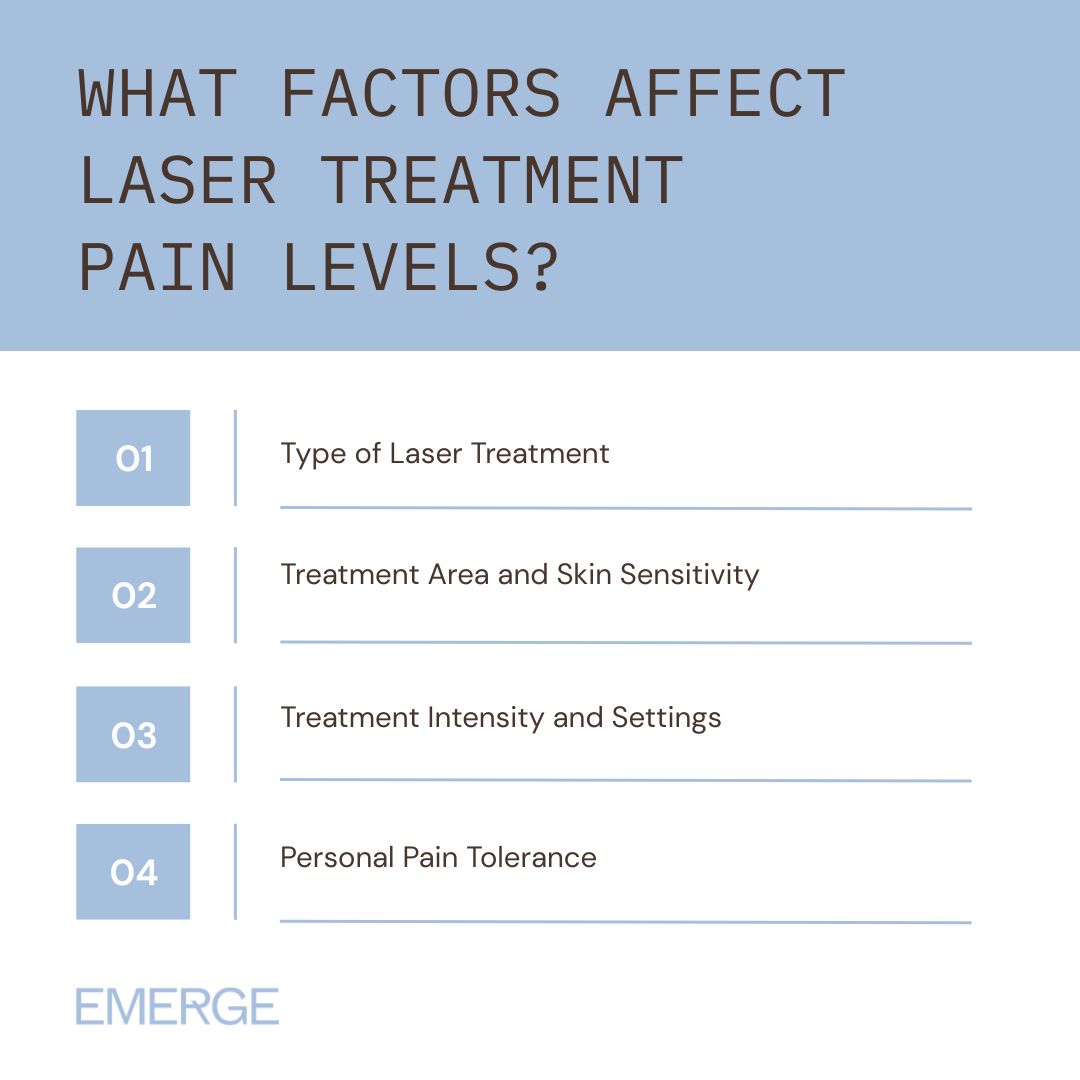
What Factors Affect Laser Treatment Pain Levels?
Type of Laser Treatment
Not all laser treatments feel the same. Some lasers, such as our SmartXide CO2 laser, are ablative—meaning they vaporize damaged skin cells by heating the dermis. In many cases, you may feel a brief stinging sensation. AVAVA laser, on the other hand, is non-ablative, meaning it uses targeted light energy to heat the deeper layers rather than the surface. Many patients report feeling a brief warming sensation.
Although both treatments target many of the same concerns—skin laxity, uneven texture, fine lines—they differ in how they work and the unique benefits they provide. Because they’re designed differently, the sensations you experience during treatment can vary as well.
Learn more about AVAVA’s benefits by reading: “Avava Laser for Acne Scars: Benefits, Results, and Recovery.”
Treatment Area and Skin Sensitivity
Remember what we said earlier about how different areas of the body differ in thickness and density of nerve endings? Treating the undereyes, where the skin is thin and nerve endings are more concentrated, will naturally feel different than treating areas like the abdomen or buttocks.
The condition of your skin is equally important. Recently inflamed, treated, or naturally sensitive skin may be more reactive than calm, resilient skin. That’s one reason why Dr. Kling begins every appointment with a consultation. Learning each patient’s unique anatomy helps ensure they have the proper tools for reducing discomfort.
If you are interested in treating the abdomen or buttocks, we have a couple of helpful resources for you! Check out “Loose Abdominal Skin After Weight Loss” and “How to Reduce Cellulite on Buttocks.”
Treatment Intensity and Settings
Different skin concerns require different treatment intensity. And fortunately, with modern medical aesthetics, we’re able to safely customize laser settings based on each patient’s skin type, treatment goals, and condition being addressed.
With this in mind, higher treatment intensities may create stronger sensations depending on the laser system you’re receiving. For example, an intense SmartXide laser session to target structural wrinkles may result in 1–3 weeks of peeling and redness. On the other hand, an intense AVAVA laser session may result in 2–4 days of redness and swelling. (Check out one of our patients’ healing timelines after receiving AVAVA laser treatment!)
This is why consultations are essential! Not only do they help you curate a plan, but they also help your physician carefully select the appropriate laser to balance effectiveness with comfort and safety.
Personal Pain Tolerance
Everyone experiences discomfort differently. Previous medical experiences, anxiety levels, and natural pain tolerances all influence how laser treatment feels. This is why, rather than asking a friend or coworker, “Did your laser treatment hurt?” it’s important to ask questions like, “How was the provider?” “Are you happy with your results?” “How long did side effects last?”
During your consultation, Dr. Kling will always discuss your concerns beforehand so your treatment plan can be tailored appropriately. And, of course, she’ll continue to check on you throughout the procedure. In fact, you see a real example of CO2 laser treatment here!
How to Make Laser Treatment Less Painful
Use a Numbing Cream
For certain procedures, your physician may recommend topical numbing cream before treatment to help reduce sensitivity. However, whether numbing cream is appropriate generally depends on the specific laser treatment you’re receiving.
Stay Relaxed During Treatment
Muscle tension and anxiety can both make discomfort feel more noticeable. More specifically, both can trigger a “fight-or-flight” response, making the nerves feel more sensitive. Practicing slow, controlled breathing and communicating openly with your provider throughout the procedure can help make the experience feel more manageable.
Follow Your Provider’s Treatment Plan
Treatment recommendations, including the number of sessions and laser settings, are customized for both safety and results. It’s important to understand that at Emerge, we’re not creating overnight changes and unnatural results. We prioritize skin quality and skin health—and we do so by performing treatments that encourage gradual collagen stimulation. Trying to speed up treatment by increasing intensity isn’t always the most appropriate approach.
Follow Aftercare Instructions Carefully
Proper aftercare plays a huge role in minimizing irritation and supporting healthy healing. This often involves avoiding sun exposure, limiting how hot you get, pausing the use of active ingredients, and staying hydrated. Not only is this important for protecting and supporting the skin barrier and treated areas; it’s important for preserving treatment results!
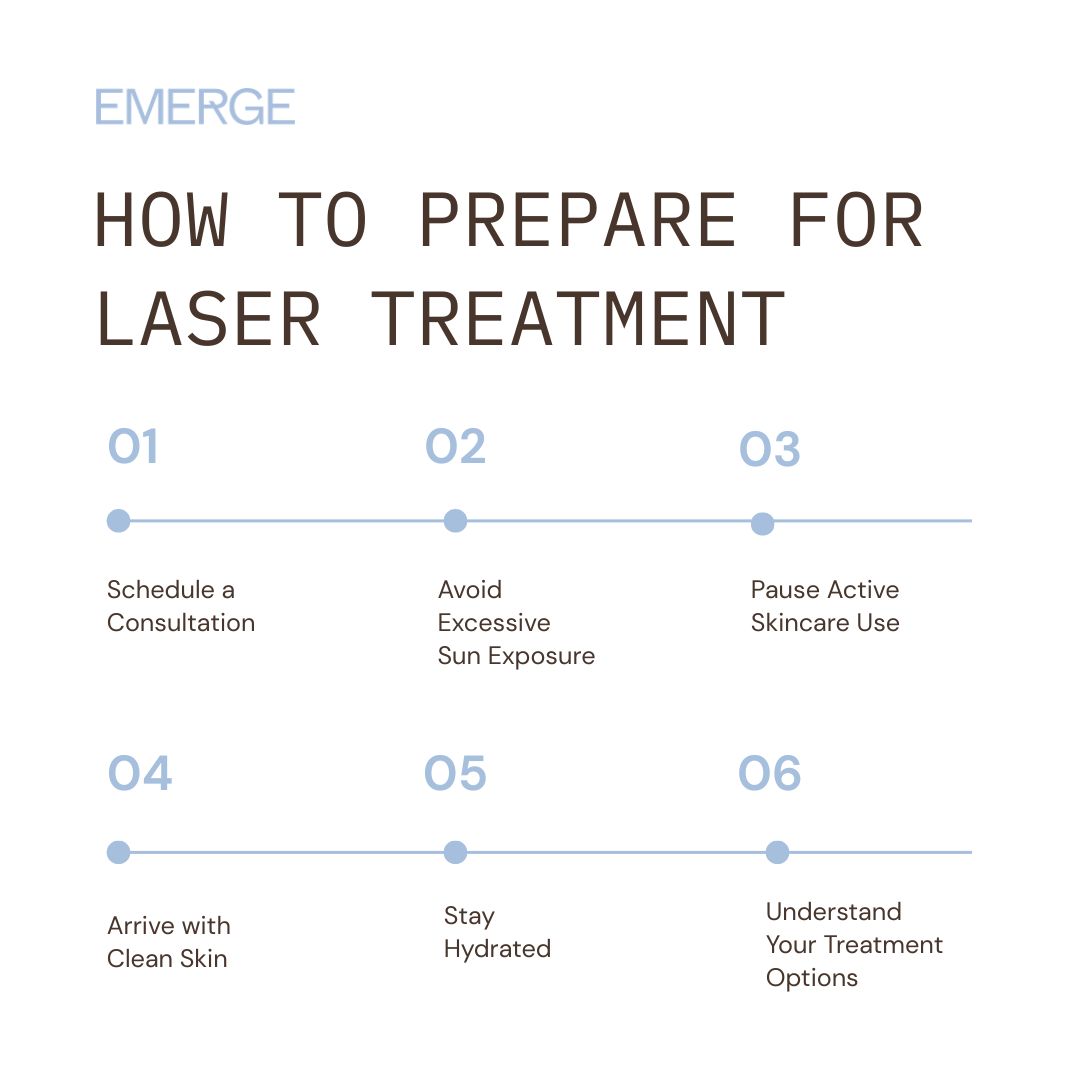
How to Prepare for Laser Treatment
Schedule a Consultation
Consultations are part of the treatment. Every patient’s skin is different, making a consultation non-negotiable.
And at Emerge, we pride ourselves on that! Dr. Kling analyzes every patient’s anatomy, biology, skin history, skin quality, and concerns, while also discussing appropriate treatment options available. Think of it this way: the tools used aren’t treatments. Your goal is the treatment. She helps you figure out which tools will help you achieve your goals safely.
Avoid Excessive Sun Exposure
If you’re not protecting your skin from the sun, you’re essentially putting your treatment at risk. Naturally, the sun accelerates collagen breakdown—known as photoaging. Add a medical aesthetic treatment on top of that, and you’re exposing even more vulnerable, sensitive skin. Not only can this compromise treatment efficacy, but it can also slow down recovery time.
And don’t settle on the first SPF you find in the back of your cabinet. (We get it, no shame.) Instead, invest in your skin with medical-grade skincare! Products like the Alastin Hydratint Pro Mineral Broad Spectrum Sunscreen provide UVA/UVB protection, long-lasting hydration, and defense against IR rays, blue light, and pollution.
Also, if you’re new here: join the Emerge RX Club! You receive customized formulations, professional guidance, and a progressive approach. Oh, and did we mention when you purchase Alastin, you earn aspire points? These are real points you can put toward future treatments!
Pause Active Skincare Use
Certain skincare ingredients, like retinoids and exfoliating acids, are extremely powerful. And usually, this is what we want! They increase cell turnover to smooth, brighten, and plump skin. However, they can also put your barrier at risk if you’re planning a laser treatment. During your consultation, Dr. Kling will discuss which products you may need to temporarily discontinue before and after treatment.
Are you new to retinoids and interested in incorporating this powerful active into your routine? Make sure to review our post, “Retinol Vs. Retinoid!”
Arrive with Clean Skin
Ideally, it’s always best to come to your appointment with clean, prepped skin. This allows your provider to accurately assess your skin’s tone, texture, laxity, hydration levels, and pore size. However, coming to visit Dr. Kling after work or a busy day? No worries! She’ll gently clean any makeup off in the targeted treatment area to ensure efficacy.
Stay Hydrated
Healthy, well-hydrated skin often tolerates skin treatments better than dehydrated skin. This is because when the skin is plump and elastic, patients can experience faster healing and minimize post-treatment side effects. Drinking plenty of water and moisturizing your face are essential for supporting your skin’s overall health—during treatment and recovery.
Understand Your Treatment Options
At Emerge, we believe that the best treatment plans are multimodal. No laser will target every single concern, just like Botox isn’t a cure-all for fine lines and wrinkles. This is why, when appropriate, Dr. Kling will recommend “treatment stacking.” You can use AVAVA laser for skin laxity, microneedling for smoothing the superficial layer, and dermal fillers for filling hollow spots.
Of course, every treatment plan—and goal—is different. Talk to your physician about which combination of non-surgical rejuvenation treatments may be right for you! You can also read our guide, “Microneedling vs. Laser,” to learn more.
Understanding what to expect during your laser treatment can help you feel prepared, confident, and, most importantly, excited!
When you’re new to medical aesthetics, it can feel intimidating. You’re not alone in that! However, know this: advanced systems prioritize patient comfort alongside efficacy. More importantly, so does your provider! It’s completely possible to achieve the skin of your dreams without lengthy downtime or a painful experience. But this is why who your physician is matters.
At Emerge Aesthetics, Dr. Kling brings surgical expertise to non-surgical aesthetics. Her goal isn’t to simply hand you a treatment sheet and wait for you to choose what sounds best. She uses years of experience, advanced knowledge, and an expert skill set to analyze your skin quality, anatomy, and biology to determine which treatment is most effective for you.
Schedule an appointment with Emerge Aesthetics, proudly serving patients from Glen Rock, Ridgewood, Wyckoff, Franklin Lakes, Saddle River, Upper Saddle River, Ho-Ho-Kus, Paramus, and New York City! Also, make sure to follow the Emerge Aesthetics Instagram, so you never miss all of the latest deals, discounts, and updates.