
Laser hair removal is one of the most common laser-based treatments—and for good reason. While it can be performed on many areas of the body, the face is one of the most popular treatment areas… and also tends to show the most noticeable reactions. Like with any laser procedure, though, results don’t come from the treatment alone. They come from how well you care for your skin afterward.
Laser hair removal is a cosmetic treatment that uses concentrated light to target hair follicles and reduce hair growth over time. In the process, the surrounding skin experiences a controlled inflammatory response. This is normal. It’s also why aftercare matters.
Today, we’re sharing an evidence-based laser hair removal aftercare guide. We’ll cover what the skin typically looks like post-treatment, how long side effects last, how to care for treated areas, and what to avoid. High-quality care is essential in supporting the healing process, maximizing results, and reducing the risk of irritation.
Laser Aftercare: Post-Treatment Care for Best Results
The way you care for your skin post-laser hair removal treatment matters. Your face will be sensitive, red, slightly swollen, and tender. This reaction isn’t concerning—it’s an indication that the treatment did its job.
Different types of lasers interact with the skin differently depending on wavelength, depth, and energy settings. Ultimately, this comes down to your unique biology—your skin tone, hair texture, hair color, and follicle depth.
That said, laser hair removal aftercare follows the same three core principles regardless of laser type: reduce inflammation, protect the skin barrier, and avoid unnecessary irritation.
At Emerge, we believe treatments work best when the patient understands what’s happening beneath the surface. This helps you set realistic expectations for healing and avoid common mistakes during recovery.
What Does Face Look Like After Laser Treatment?
After facial laser hair removal, your face will typically resemble a mild sunburn—similar to what we discuss in our “Microneedling Aftercare” post. Think: redness, swelling, and itchiness that tends to stick around for 24–48 hours. Sometimes more, sometimes less.
Afterwards, you’ll experience hair shedding, a smoother skin texture, and follicle bumps (perifollicular edema). This is a normal response—but you should never (ever) pick at or pop them. Don’t worry, more on that later.
Essentially, the skin after laser treatments looks irritated, inflamed, and a bit angry. Again, this is completely normal, and it will subside and improve over time. The key? Avoid overlapping treatments in an attempt to speed up the healing process. This can both reduce the risk of treatment efficacy and irritate the skin—two things you want to avoid.
How Long Does Face Swelling Last After Laser Treatment?
For most people, swelling peaks the first day and slowly subsides within 24–72 hours. However, everyone’s biology is different. Some people’s swelling may resolve within a day or two, while for others, it sticks around for up to a week.
Typically, the more delicate the skin, the more reactive it is to heat and energy, so swelling tends to last longer. And because the face has a dense network of blood vessels and lymphatic pathways, inflammation tends to look even more pronounced.
You also have to consider that our faces are the most visible part of our bodies. Even normal swelling can feel more noticeable or seem to last longer than it really does. If swelling persists past a week or continues to worsen? This is when you contact a medical physician.
How to Care for Face After Laser Treatment
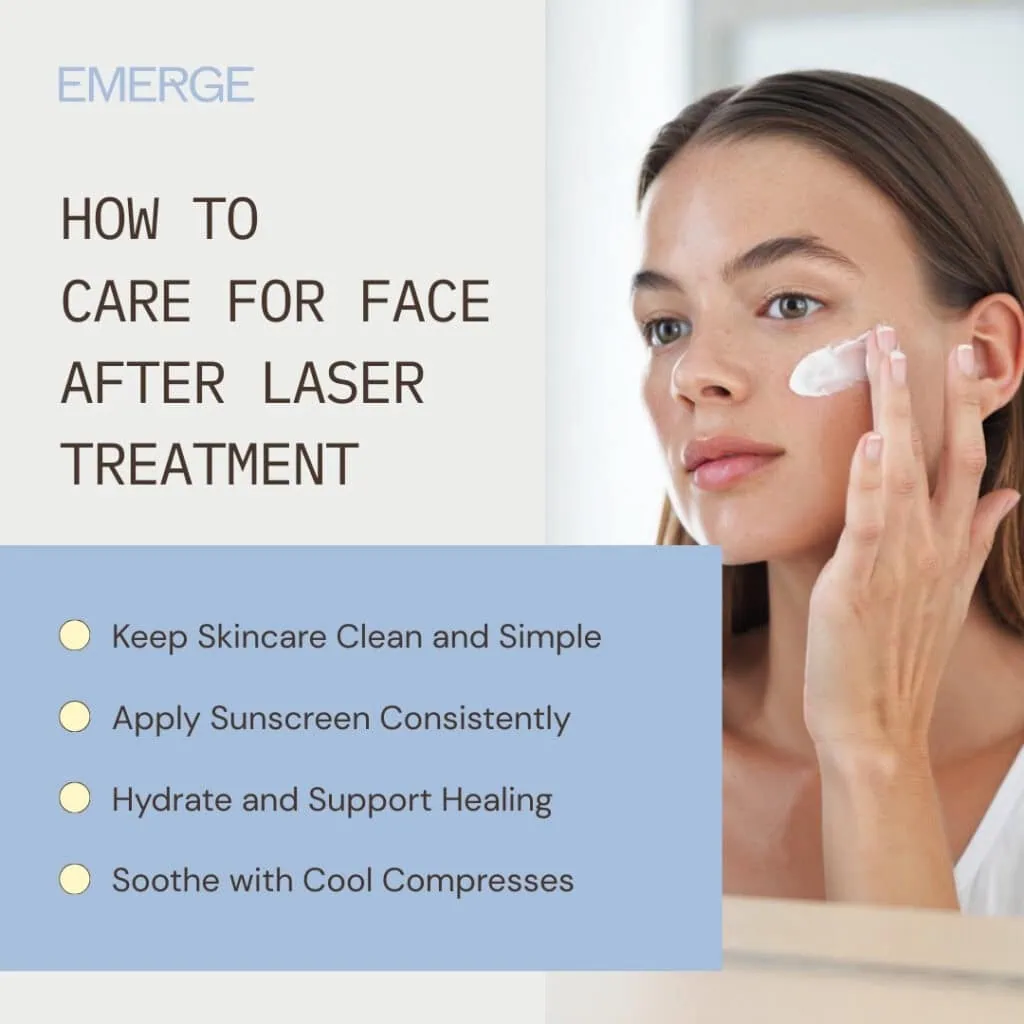
The way you care for your skin after facial laser hair removal affects how successful the treatment is. Following care instructions not only supports the process but also maintains skin health and minimizes discomfort. Here’s what the Emerge team recommends post-treatment:
Keep Skincare Clean and Simple
After facial laser hair removal, the skin is extremely sensitive and vulnerable, making gentle skincare non-negotiable. Your face essentially has a ton of micro-wounds. Using harsh products or applying too many actives can overwhelm the skin, slow down healing, and increase the risk of infection.
Avoid exfoliating acids, retinoids, alcohol-based toners, physical scrubs, and anything with fragrance for at least 1–2 weeks. Instead, opt for medical-grade cleansers, like Alastin Ultra-Calm Cleansing Cream. This gentle, fragrance-free formula cleanses skin without disrupting the moisture balance. Even better, it’s perfect for post-cosmetic treatment skin.
Apply Sunscreen Consistently
Another non-negotiable post-laser hair removal: broad-spectrum sunscreen. Because your skin is so sensitive, you’re more susceptible to harmful UV rays. Aside from a higher likelihood of blistering and burning, the sun can also cause hyperpigmentation and compromise results.
Apply sunscreens that have SPF 30 or higher multiple times a day—even when it’s cloudy. A minimum SPF of 30 blocks about 97% of UVB rays, helping protect healing skin and reduce the risk of pigment changes.
Remember: medical-grade skincare products will give your skin the best chance at healing. Opt for a product like Skinceuticals Daily Brightening UV Defense Sunscreen. This lightweight, residue-free formula hydrates, brightens, and protects vulnerable skin against sun damage.
Hydrate and Support Healing
Lasers naturally strip the skin of moisture, which can leave your face dry, red, and irritated. When you go back in with gentle hydration, you’re not just replenishing moisture—you’re strengthening the skin barrier.
Avoid any moisturizers containing fragrances, essential oils, active ingredients, or alcohol. Otherwise, you may experience additional redness and peeling. Instead, use Alastin Ultra Light Moisturizer. Even though it’s lightweight, it preserves the skin barrier, calms irritated skin, and improves the appearance of post-cosmetic treatment skin.
Soothe with Cool Compresses
Because the laser heats the hair follicles, the skin will look and feel warmer. To help with this, apply cool compresses for the first few days. Doing so constricts blood vessels, reduces redness, and soothes inflammation.
However, as nice as it may feel, never apply an ice pack directly to your face—this can lead to ice burns. (Yes, it’s ironically a real thing!) Instead, only use an ice pack wrapped in a soft, clean cloth—or cooling gel packs!
What to Avoid After Laser Treatment on Face
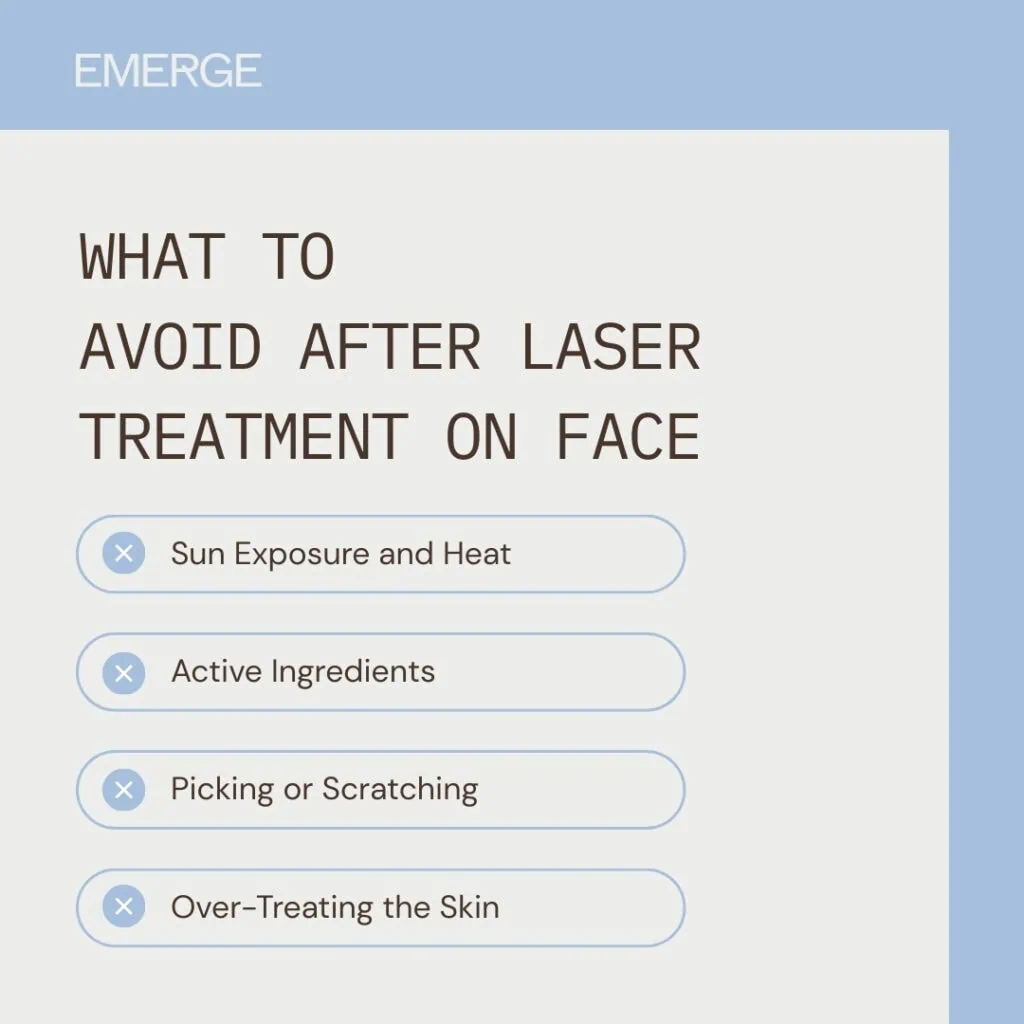
Sun Exposure and Heat
As we mentioned earlier, sunscreen is essential while you’re healing from a laser treatment. But if, for whatever reason, you can’t apply sunscreen, avoid sun exposure as much as possible. (Dr. Kling really leads by example.) It’s not worth the burns and possible hyperpigmentation.
That said… saunas, hot showers, and intense workouts are off limits too. Your skin is already warmer from the laser treatment itself. Adding any extra warmth can significantly increase inflammation and discomfort. Also, each time you sweat, your pores expand to cool your body down. Opening those pores can increase the chance of infection, irritation, or rashes.
Active Ingredients
We told you earlier to prioritize a gentle, medical-grade skincare routine while you’re healing. (And, honestly, just in general.) But why is it important to avoid actives specifically?
Products that use active ingredients are powerful, which is what makes them excellent for effectively targeting skin concerns. At the same time, because they’re so powerful, this can irritate vulnerable skin, leading to inflammation, redness, peeling, and in some cases, burns.
The only time you’ll hear us say this is when discussing post-treatment care… Skip your tretinoin and tazarotene while you’re healing and slowly reintroduce them after. And if you haven’t introduced a retinoid into your routine yet? You need to—it’s the gold standard for anti-aging for a reason.
Join the Emerge RX Club for customized formulations and professional guidance. You can learn more about your options straight from Dr. Kling over on our Instagram!
Picking or Scratching
Picking, scratching, or popping bumps in general can lead to acne scarring, inflammation, and hyperpigmentation. However, when you’re experiencing perifollicular edema, popping these bumps can be extremely harmful to sensitive, post-cosmetic-treated skin.
Picking slowly breaks down your protective barrier, giving bacteria a clear entryway to those open pores. Even though it’s rare, this can lead to serious complications—especially if the infection spreads. It can also increase the likelihood of scarring, hyperpigmentation, delayed healing, and additional outbreaks.
Clean, simple, and easy advice: Avoid picking at all costs.
Over-Treating the Skin
More isn’t better when it comes to skincare—especially in routines following cosmetic treatments. Over-cleaning the face or layering on multiple products can disrupt the skin barrier and prolong side effects. Stick to medical-grade products, use them sparingly, and let your skin breathe—especially for the first 24–72 hours.
Properly caring for your skin post-laser treatment is essential for supporting healing and protecting your results.
Laser hair aftercare isn’t just about comfort—it’s about outcomes. Proper care, while it does make you feel better, is essential for reducing complications, minimizing side effects, and supporting healthy skin regeneration. When the skin heals how it should, the results look better and last longer.
Healthy skin doesn’t happen from shortcuts. It comes from understanding how the skin responds to treatment and giving it what it needs to recover. At Emerge Aesthetics, whether you’re interested in non-invasive facial rejuvenation or curating an effective skincare regimen, we have the tools, the experience, and the evidence-based recommendations your skin needs.
Dr. Kling is a double-certified Emergency Medicine Physician who prioritizes biology, strategy, and science-backed solutions. Schedule a consultation at Emerge to formulate a treatment plan that’s right for you! Remember, we’re not in the business of altering the way you look—we want to help you enhance your natural appearance.