
You can’t escape getting older—it’s a privilege! But that doesn’t mean that fine lines, texture, and dark spots aren’t frustrating. As we age, the skin loses volume. We begin developing hollows and shadows—like nasal labia folds, under eye hollows, a blurred jawline, and, yes, sagging earlobes. (There are a lot of signs of aging you probably aren’t noticing yet.)
However, we can slow down the appearance of aging by making changes on a cellular level. Advanced treatments, like fractional CO2 lasers, deliver natural-looking results that enhance beauty and address various skin concerns. They’re fast, pain-free, and becoming increasingly popular.
At Emerge, we don’t believe in changing the way you look—we believe in maintaining your appearance. Today, we’ll be talking about what fractional CO2 laser treatment is and why it’s the future of skin rejuvenation. We’ll also explore targeted enhancements, how to prepare, and what clients can expect.
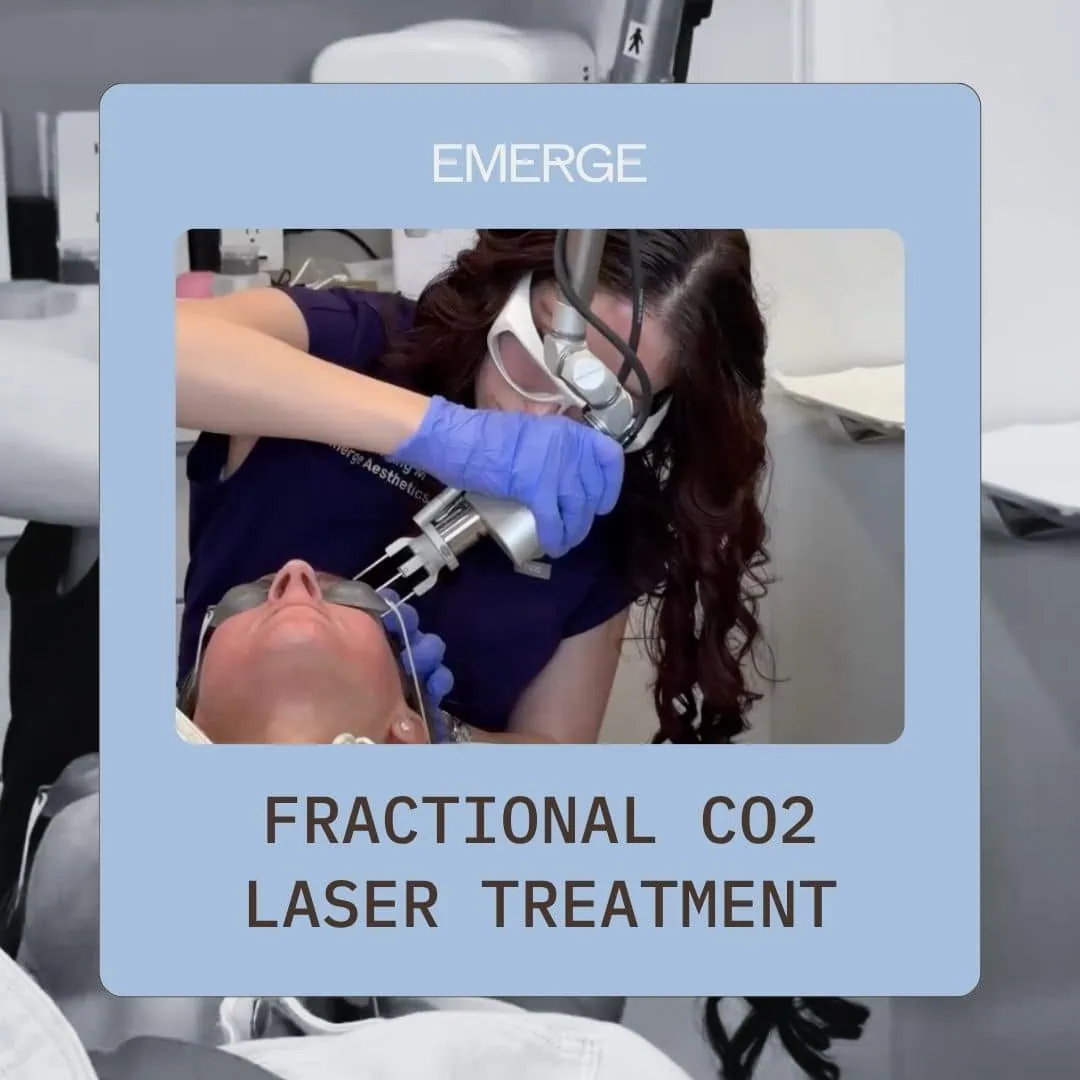
What Is Fractional Laser CO2 Treatment?
After age 25, you begin to lose about 1.5% of collagen each year. In light of this, many clients turn to topical products that promise to reverse signs of aging and achieve “youthful results.” Remember, though, topical products will only take you so far. Regenerative medicine, like CO2 laser resurfacing, is evidence-based, not trend-based.
So, what exactly is it? A fractionated CO2 laser is a skin resurfacing treatment that uses a gas mixture to produce focused light energy. Essentially, an electrical charge stimulates the mixture, and carbon dioxide molecules produce a “laser beam.”
Unlike traditional lasers, though, the “fractional” approach treats only a portion of the skin at a time. As a result, it leaves the surrounding tissue intact, allowing for faster healing and more impressive results. With consultation from Dr. Kling and a multimodal approach, clients can achieve real, natural, and sustainable results.
How Does a CO2 Laser Work?
As Dr. Kling explained on our Instagram, a CO2 laser is a fractional ablative laser that uses focused light energy to remove microscopic layers of damaged skin. By creating controlled micro injuries, the body’s natural healing response begins to take over. It stimulates the production of new collagen and elastin, tightening existing fibers and resulting in smoother, firmer, and more radiant skin.
Think of it this way: imagine your skin as a chalkboard. Over time, smudges, marks, and residue begin to accumulate. A CO2 laser treatment doesn’t erase the surface; it resets it. It’s a precise, controlled reboot for the skin.
Here are specific technologies and features that make it as safe as it is effective:
- Fractionated energy delivery: This treatment doesn’t target the entire face at once. Instead, only specific parts of the skin are treated at a time. This leaves healthy tissue intact for a faster recovery.
- Adjustable depth and intensity: Dr. Kling doesn’t take a “one-size-fits-all” approach. Instead, she skillfully examines each client’s skin, creating a customized treatment plan tailored to their unique skin types and concerns.
- SmartXide Pro Technology: This is the premier choice for non-surgical enhancements. The SmartXide Pro CO2 laser enables precise targeting for minimal downtime and optimal results.
Safety is built into this approach. In fact, CO2 lasers are considered the “gold standard” in skin rejuvenation and have been used in medical aesthetics for decades.
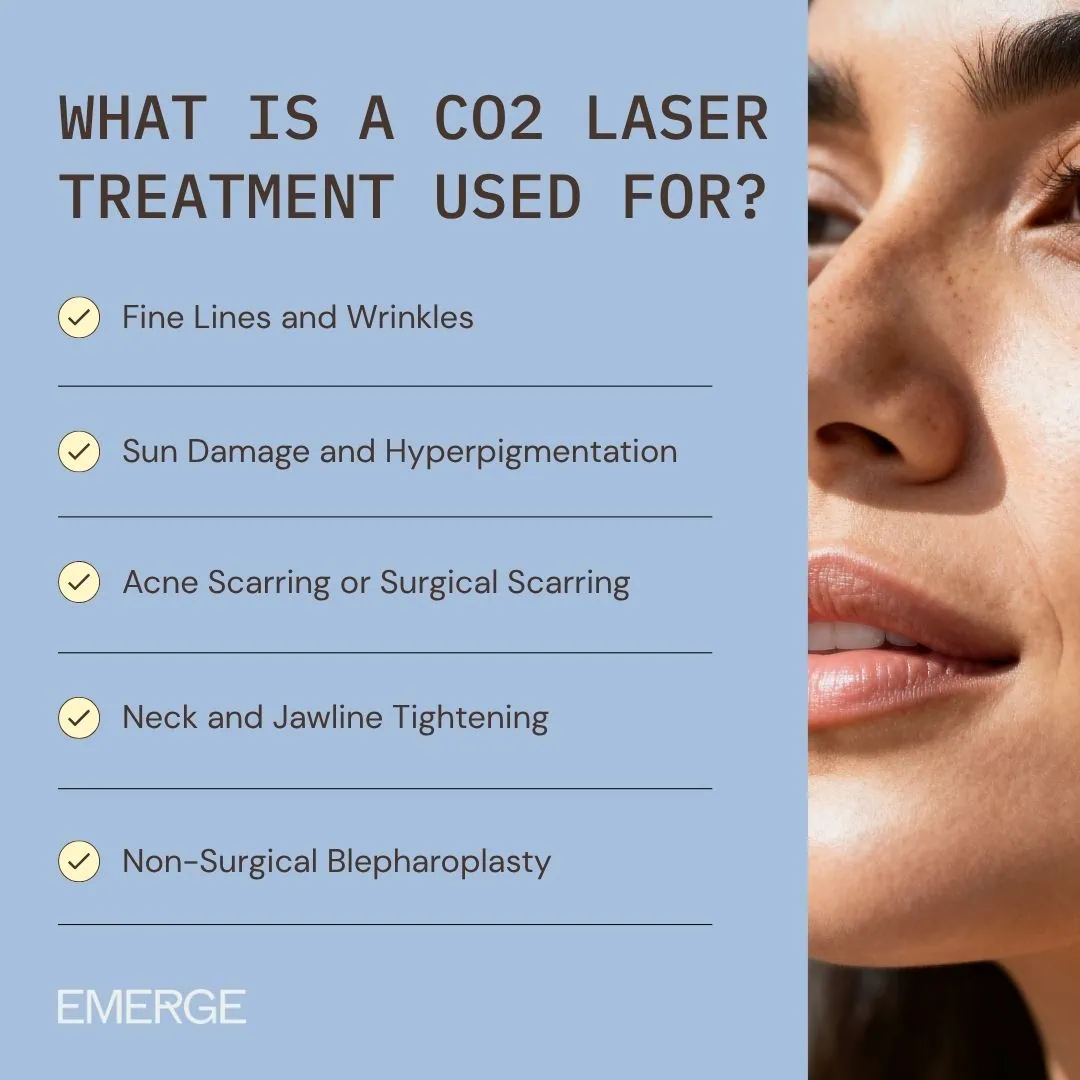
What Is a CO2 Laser Treatment Used For?
Fine Lines and Wrinkles
One of the most common concerns clients visit Emerge for is the appearance of fine lines and wrinkles. However, if you’re just chasing lines, you’ll never be happy. Aesthetic medicine considers the face as a whole, and Dr. Kling prioritizes a preventative approach for a more balanced appearance.
That said, a fractional CO2 laser works by stimulating collagen and elastin, resurfacing the skin for results that look natural, not overdone.
Additionally, if you’re trying to target smokers’ lines, Dr. Kling highly recommends skipping the fillers and opting for laser therapies instead. The skin around the mouth is extremely delicate, and CO2 lasers deliver the precise treatment the perioral lines need. You can hear her discuss why over on our Instagram.
Sun Damage and Hyperpigmentation
Excess sun exposure can leave you with dark spots, uneven tone, and a rough texture. Fortunately, laser technology is highly effective at treating these concerns. Remember, the carbon dioxide laser emits high-energy light that’s then absorbed by water in skin cells.
As the energy vaporizes, it removes the outermost layers of the skin, which are also the most pigmented. Aside from this, CO2 lasers create microthermal zones of injury to trigger the skin’s natural healing response. Fresh skin replaces damaged areas over time, resulting in long-term resilience and a brighter appearance. As a bonus, it’s even harder for new sun spots to form!
You don’t have to live with spots and insecurity. Check out how Dr. Kling prioritizes a multimodal approach to target dark spots and induce collagen production on Instagram.
Acne Scarring or Surgical Scarring
Many clients visit the office full of insecurity due to surgical or acne scarring. However, this is a normal, very common skin concern—and it’s easily treatable. A fractional CO2 laser treatment, as we explained before, removes the top, damaged layers of the skin. (This is where the scars “sit,” essentially.)
This doesn’t just apply to ONE type of scar, though. SmartXide Pro can fill deeper ice-pick scars, smooth steep or vertical boxcar scar edges, and diminish the deep appearance of rolling scars. Over time, the collagen reproduction will smooth the surface and create a more uniform texture.
Neck and Jawline Tightening
The neck is one of the first areas on the body to show signs of aging. There are plenty of factors that contribute to this, including natural collagen reduction and thinner skin. But what does Dr. Kling always say? Prevention is easier than correction!
Remember earlier we mentioned that the SmartXide Pro laser can be fine-tuned for unique needs? In this case, customized depth and intensity will address different degrees of loose, sagging skin. This personalized approach enhances the contours of the neck, leaving clients with a smoother, firmer, and overall more toned appearance. All without the need for surgery!
Non-Surgical Blepharoplasty
Many people forget that as the skin loses elasticity and collagen, so do the eyelids. To address this, clients often skip a few steps and instead book a blepharoplasty. However, the complications and drawbacks are generally not worth the potential benefits. Not when there are safer, more promising alternatives, anyway.
And just like with smokers’ lines, fillers shouldn’t be the first step here, either. Instead, fractional CO2 lasers target specific, more delicate areas without affecting the eyes or surrounding skin. By removing damaged cells, skin resurfacing improves texture and results in a more youthful appearance.
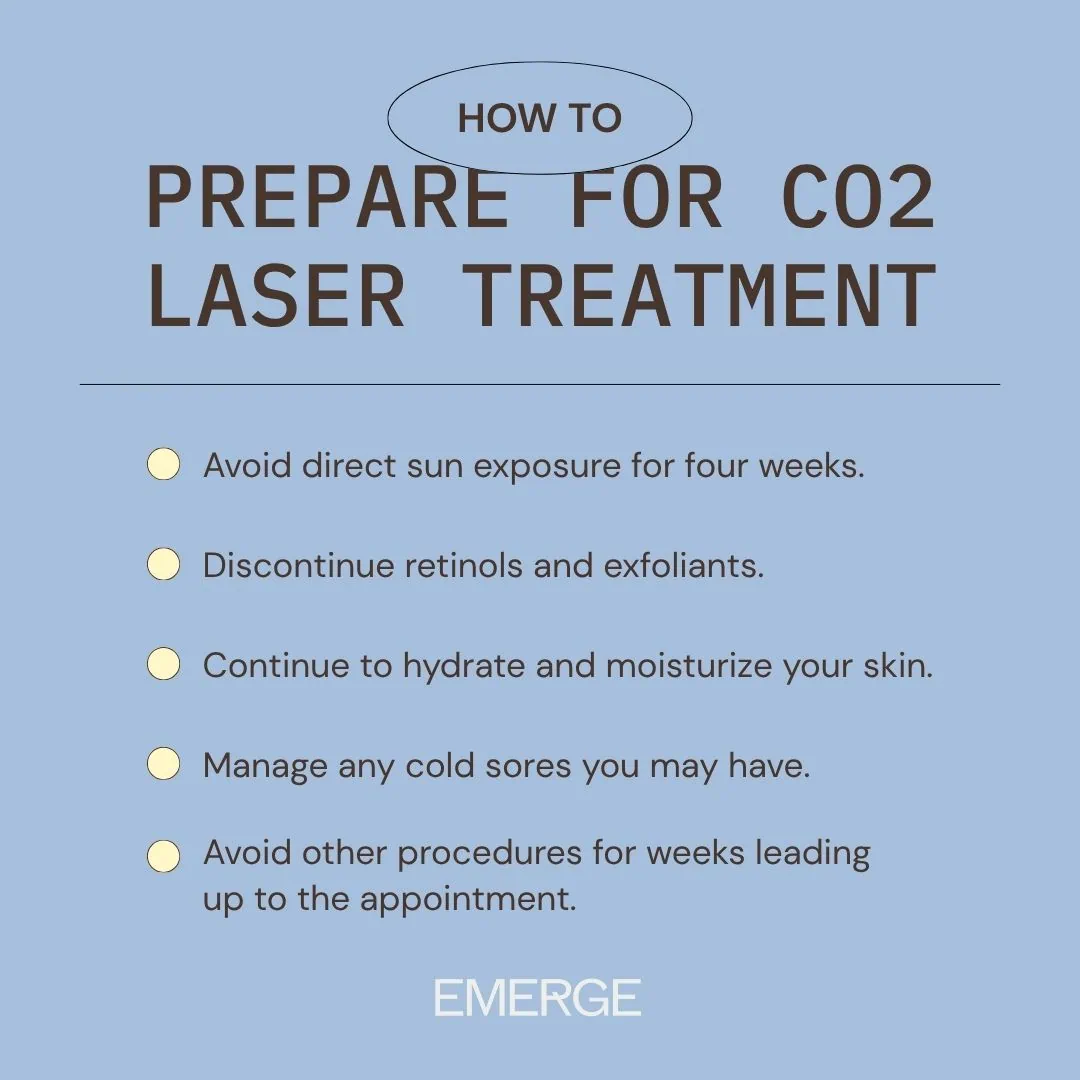
How to Prepare for CO2 Laser Treatment
Avoid direct sun exposure for four weeks.
If you’re preparing for your CO2 laser treatment, sun protection is non-negotiable. Sun-exposed skin can become more reactive, which may lead to adverse responses. The laser may work unevenly, the skin can become more irritated, and your appointment may have to be rescheduled.
And, as you can see in this Instagram video, Dr. Kling really leads by example! Aside from wearing sun hats, broad-spectrum SPF is essential. We highly recommend Skinceuticals Daily Brightening UV Defense Sunscreen SPF 30.
This dual-action hydrating sunscreen contains ingredients like tranexamic acid, niacinamide, and phenylethyl resorcinol to protect against UV-induced pigmentation. As a bonus, it simultaneously evens skin tone, moisturizes, and brightens skin.
Discontinue retinols and exfoliants.
This is the only time you’ll hear us say this—avoid using your Alastin C-Radical Defense Antioxidant Serum before treatment. You should also discontinue the use of retinoids and exfoliants. Don’t worry, though, this isn’t a long-term commitment!
We recommend stopping about 10 days prior to treatment and waiting for Dr. Kling’s go-ahead to pick it up again. Specific products can result in skin irritation, inflammation, and post-inflammatory hyperpigmentation. Not only can this delay the healing process, but it can also prevent you from enjoying the full effects.
Continue to hydrate and moisturize your skin.
Both inner and outer hydration are essential for arriving with hydrated and moisturized skin. Think of it like caring for a plant—watering the soil isn’t enough if the leaves are dry. Just like misting the leaves won’t help if the roots are dehydrated.
When you’re properly hydrated, you’re giving treated skin the best chance for success. This helps restore the skin barrier, boost healing, and reduce irritation. However, always make sure to share your current products with your medical esthetician. Your moisturizers may contain ingredients that can irritate the skin during treatment.
Manage any cold sores you may have.
If a patient has cold sores, they’ll be asked to address and treat them before the fractional CO2 laser treatment. More specifically, for clients who experience consistent outbreaks, their physician may even recommend that they take antiviral medication. This prevents the virus from becoming active both before and after treatment.
Avoid other procedures for weeks leading up to the appointment.
As we’ve already pointed out, Dr. Kling’s treatment plans rely on multimodal approaches to treat the entire face. That said, it’s recommended to avoid other procedures PRIOR to your appointment unless specifically advised otherwise. Following treatment, however, micro-needling and PRP can bring your results to the next level.
How Many Fractional Laser Treatments Are Needed for Results?
The number of fractional laser treatments depends on specific concerns being addressed and the results clients are hoping to achieve. For hyperpigmentation, for example, a single session is often enough to achieve significant improvement.
For deeper wrinkles, scars, or more advanced concerns, a series of treatments may help you achieve optimal results. This is why consultations are essential. A personalized treatment plan tailored to your skin and aesthetic goals ensures the best possible outcomes.
What to Expect After Fractional CO2 Laser Treatment
It’s vital to follow your physician’s recommendations post-treatment. Some advise using white vinegar solutions a few times a day on the treated areas, while others readjust your skincare routine. At Emerge, we’ll recommend a targeted regimen to help maintain results for long-term, sustainable success.
Fractional CO2 lasers are the gold standard for skin rejuvenation—Emerge can help!
Aging gracefully, while a beautiful process, can be maintained through advanced, expert-backed treatments. It’s not about chasing instant results—it’s about strategy, consistency, and using the right tools for your skin. Fractional CO2 laser treatments are one of the most effective ways to rejuvenate skin, target fine lines, address sun spots, and promote long-term collagen regeneration.
At Emerge Aesthetics, Dr. Kling combines surgical expertise with regenerative science to deliver safe, physician-led results. Rather than asking “What do you want done today?”, she leads with, “Here’s the treatment plan I suggest based upon your anatomy, your concerns, and your goals.”
If you’re ready to restore your skin’s natural beauty while supporting long-term health, schedule an appointment with Emerge! You can also elevate your beauty regime with Dr. Kling’s recommended skincare online to create a sustainable, preventative routine. We aren’t here to change the way you look—we’re here to enhance it.